
One country, many worlds
Japan is not one country - it is an archipelago of climates and characters. Click an island on the map or scroll down.
The largest and most important island - this is where the country's pulse beats.
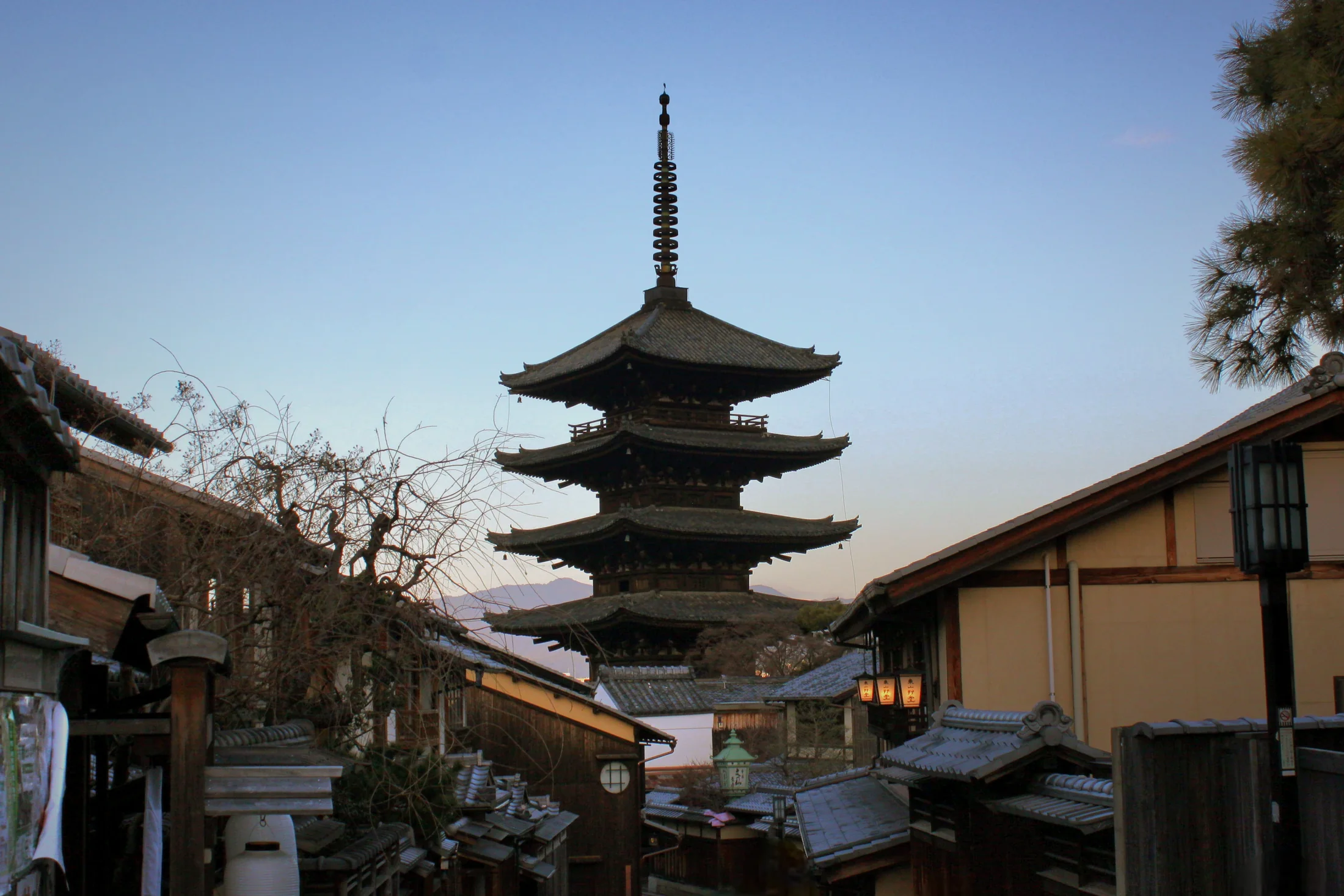
Honshu 本州
The largest and most important island - this is where the country's pulse beats. Honshu is home to neon-lit Tokyo, temple-filled Kyoto, foodie Osaka, sacred Mt. Fuji and the Japanese Alps. For most travellers, a first trip to Japan means Honshu - because a single visit can take in both the modern and the traditional, the city and the mountains.
Climate
Four distinct seasons. The centre and south (Tokyo, Kyoto, Osaka) have a warm, humid climate: hot, muggy summers (July–August, 30°C+) and cool, generally dry winters. The mountains and the north (the Alps, Tōhoku) can be cold and snowy in winter. June is the rainy season (tsuyu).
Highlights
- Tokyo - Shibuya, Asakusa, teamLab
- Kyoto - Fushimi Inari, Gion, Arashiyama
- Osaka - Dōtonbori and street food
- Nara - temples and deer
- Hiroshima and Miyajima
- Mt. Fuji, Kanazawa, Shirakawa-go
Best time to go
Spring (late March–April, cherry blossom) and autumn (October–November, crimson maples). Summer is hot and muggy, but it's the season of festivals (matsuri) and fireworks.
Paweł's tip
💡 Honshu is best explored along the Tokyo–Kyoto–Osaka axis by Shinkansen (the so-called Golden Route). First trip? 10–14 days on Honshu alone is the perfect start.
A land of wide-open space, nature and the finest snow on earth.
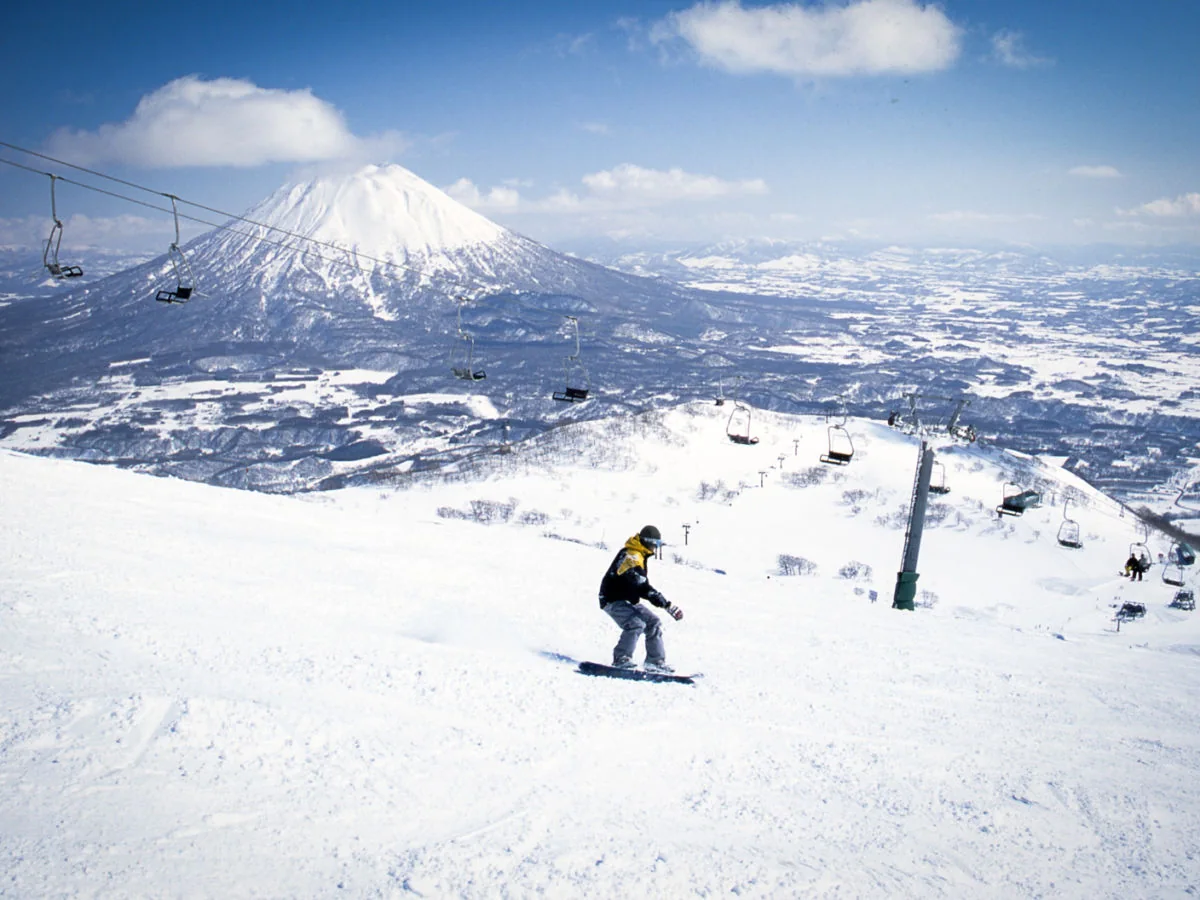
Hokkaido 北海道
Japan's northernmost island, a land of wide-open space, nature and the finest snow on earth. You come here for the quiet, the national parks, hot springs in the snow, fresh seafood and - in winter - the kind of skiing that skiers the world over dream of (Niseko). A different Japan: less crowded, more „Scandinavian”.
Climate
The coolest of the main islands. Long, cold and very snowy winters (perfect for winter sports). Summers are pleasantly cool and far less muggy than the rest of the country - an escape from the heat. Practically no rainy season.
Highlights
- Sapporo and the Snow Festival
- Niseko, Furano - skiing
- Furano's lavender fields, the hills of Biei
- Daisetsuzan National Park
- Lakes Tōya and Akan
- Otaru, miso ramen, seafood
Best time to go
Winter (December–March) for snow and skiing; summer (June–August) for flowers, hiking and cooler weather.
Paweł's tip
💡 Hokkaido pairs beautifully with Honshu via a flight or the Shinkansen to Hakodate. An island for those who have already been to Japan once - or for lovers of nature and skiing from the very first visit.
The south-western island of volcanoes, hot springs and warm-hearted people.
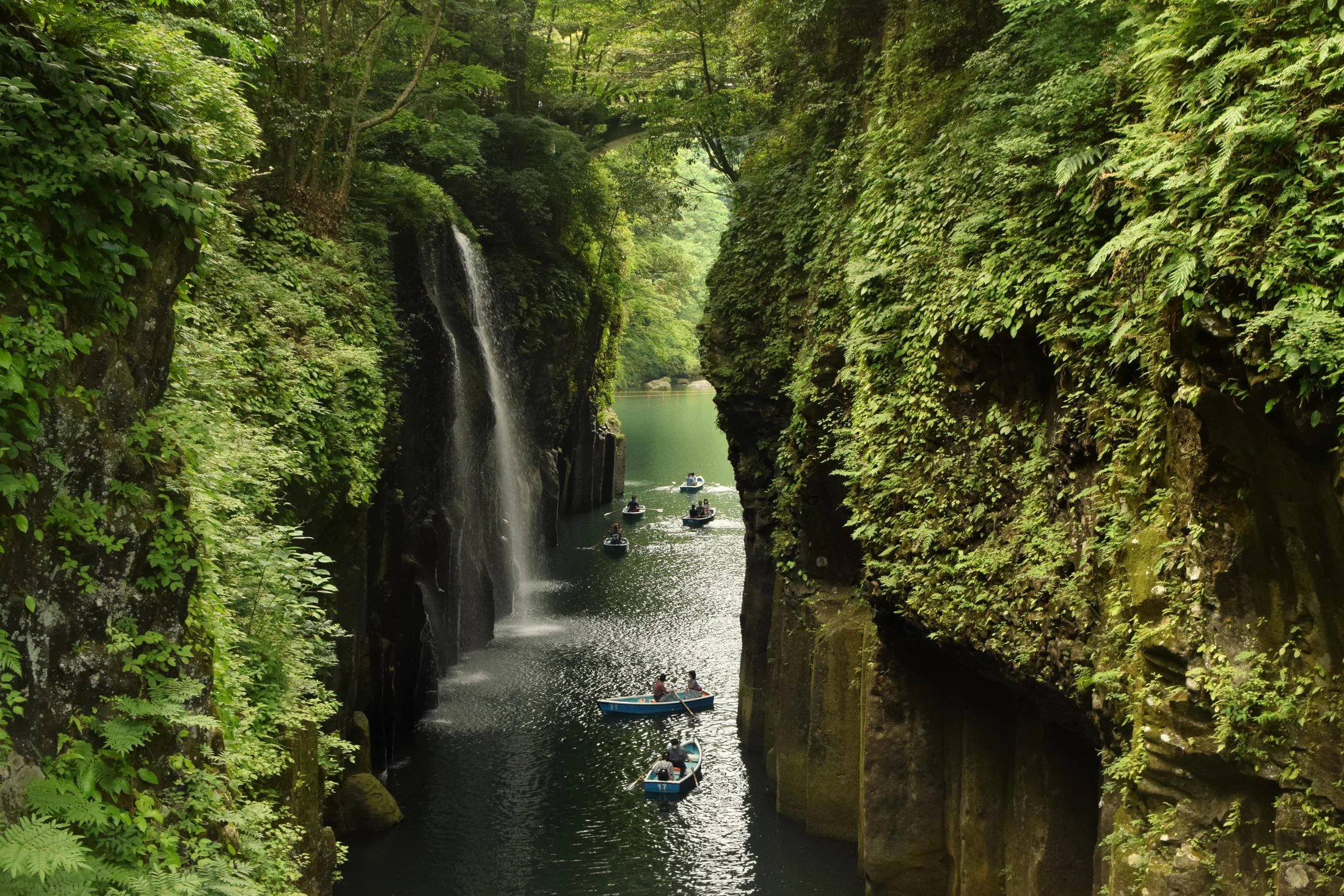
Kyushu 九州
The south-western island of volcanoes, hot springs and warm-hearted people. This is a land of smoking craters, the best onsen in the country, superb food (Fukuoka is the mecca of tonkotsu ramen) and significant history (Nagasaki). Warmer, more laid-back and less touristy than the Golden Route.
Climate
The warmest of the main islands - mild winters and hot, humid summers. Spring and autumn are very pleasant. Watch out for the rainy season (June) and the typhoon season (late summer–early autumn).
Highlights
- Fukuoka - food and yatai stalls
- Beppu and Yufuin - an onsen paradise
- Mt. Aso - the caldera
- Sakurajima above Kagoshima
- Nagasaki - history
- Kumamoto and its castle
Best time to go
Spring (March–May) and autumn (October–November). Winter is mild and perfect for onsen.
Paweł's tip
💡 Kyushu is a great choice for the second half of a trip, or for travellers who want a „real”, less touristy Japan and love hot springs.
The smallest of the four main islands - hidden and spiritual.
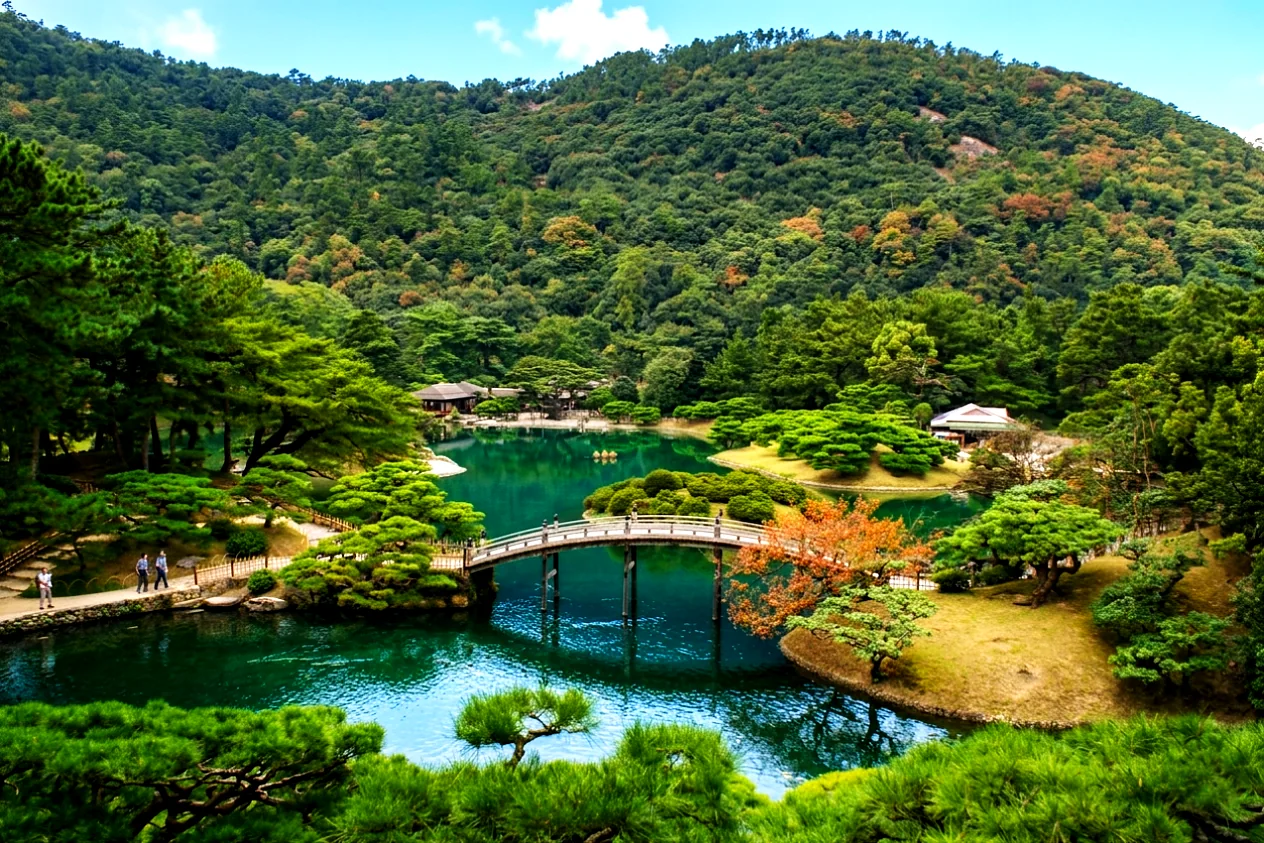
Shikoku 四国
The smallest of the four main islands, the most „hidden” and spiritual. It is famous for the renowned 88-temple pilgrimage, dramatic valleys, sea whirlpools and one of the oldest onsen in Japan. An island for those who want to slow down, breathe and feel old Japan far from the crowds.
Climate
A mild, warm climate. The coast along the Seto Inland Sea is sheltered and sunny; the mountainous interior is wetter. Summers are warm, winters mild.
Highlights
- Dōgo Onsen in Matsuyama
- The Naruto whirlpools
- The Iya Valley - vine bridges
- The 88-temple pilgrimage
- Ritsurin Garden in Takamatsu
- A peaceful coastline
Best time to go
Spring and autumn. Summer is good for the coast and the Awa Odori dance festival (August, Tokushima).
Paweł's tip
💡 Shikoku pairs beautifully with the nearby art islands of the Seto Inland Sea (Naoshima!). Perfect as a contrast after the bustle of the big cities.
A chain of southern islands - turquoise seas and Ryūkyū culture.
Okinawa 沖縄
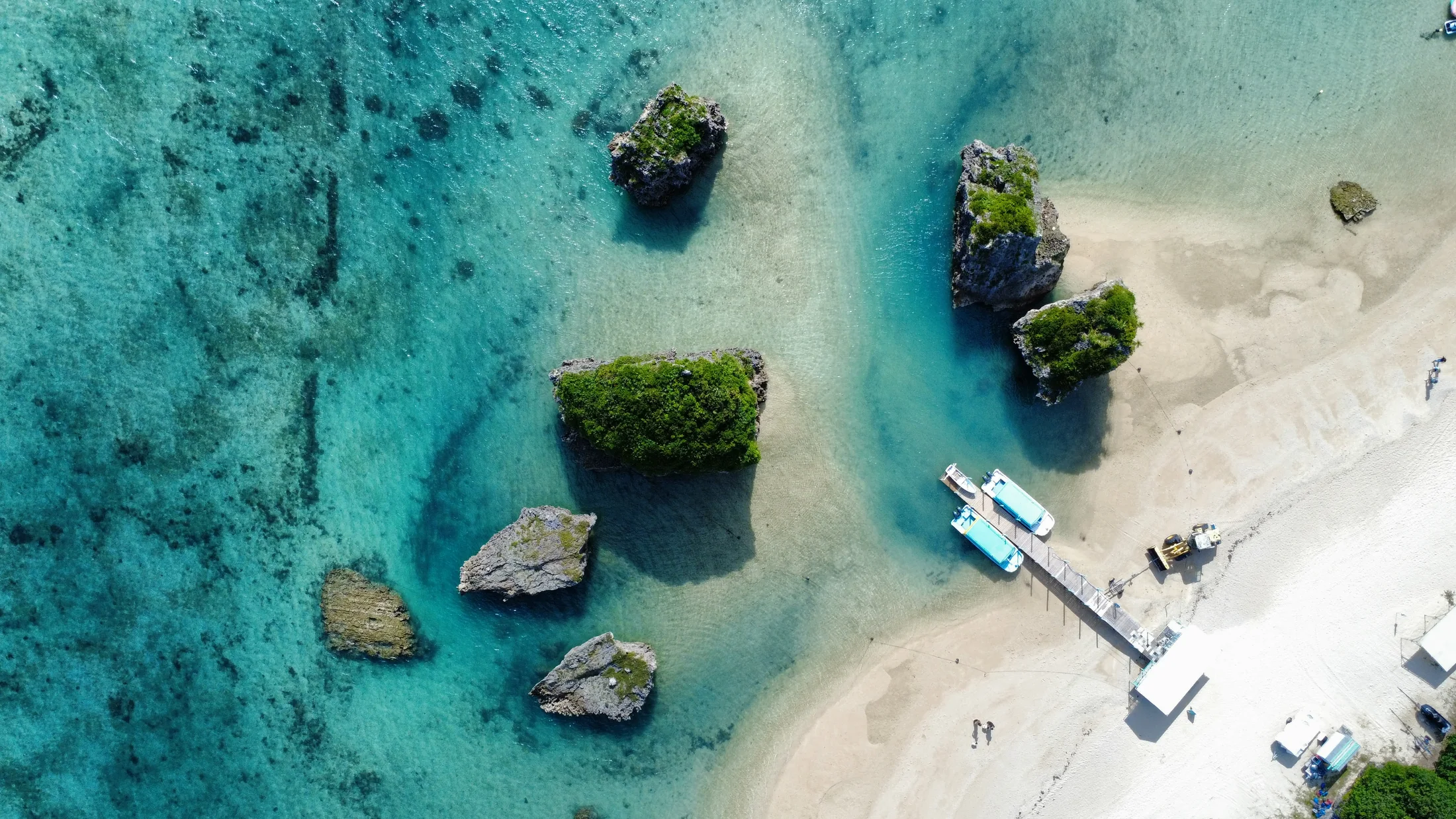
A chain of islands far to the south - a completely different Japan: turquoise seas, white beaches, coral reefs and the distinct culture of the old Ryūkyū Kingdom (its own music, cuisine and architecture). This is where the Japanese come for a holiday „under the palms”. It is also famous for the longevity of its inhabitants.
Climate
Subtropical and the warmest in the country. Warm almost all year, with mild winters (swimming is possible in early spring) and hot, humid summers. Typhoon season falls in summer and early autumn (July–September).
Highlights
- Beaches, diving, snorkelling
- Shuri Castle and Ryūkyū culture in Naha
- Jungles and mangroves on Iriomote
- Okinawan cuisine, awamori
- Manta rays off Ishigaki/Miyako
- The calm of the Yaeyama Islands
Best time to go
Spring (April–early June) and autumn (October–November) - warm, with fewer typhoons. Summer is hot and crowded, with a risk of typhoons.
Paweł's tip
💡 Okinawa makes a „beach” add-on to a trip around mainland Japan, or a separate, relaxing holiday in its own right. Reachable by plane from the major cities.
A tropical Pacific that officially belongs to Tokyo - the wildest Japan.
Nanpō Islands 南方諸島
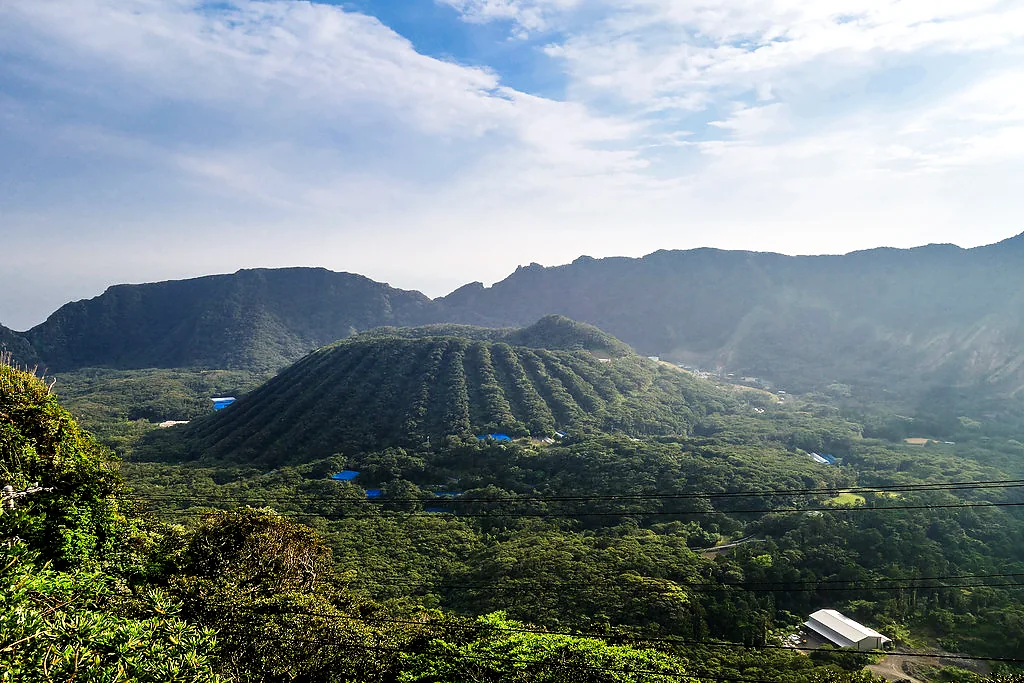
A chain of volcanic islands stretching hundreds of kilometres south of Tokyo, yet administratively still part of the capital. It divides into the nearer, easily reached Izu Islands (Ōshima, Hachijōjima - active volcanoes, onsen, diving) and the remote Ogasawara Islands, the Bonins - a UNESCO-listed „Galápagos of the Orient”, home to species found nowhere else on earth. This is Japan for those who have already seen the rest and are looking for the true ends of the earth.
Climate
Subtropical and oceanic - warm almost all year, with mild winters and hot, humid summers. The ocean sets the weather: it can be windy, and typhoons pass through from summer into early autumn. The sea is warm and crystal-clear, ideal for diving.
Highlights
- Ōshima - the active Mihara volcano and black-sand beaches
- Hachijōjima - a green „island of exiles” with onsen
- Ogasawara (Chichijima) - reefs and UNESCO endemics
- Whale and dolphin watching
- Diving in the clear Pacific
- Star-filled skies far from city lights
Best time to go
Late spring and autumn for the weather and the sea. Humpback whales can be seen off Ogasawara from winter into spring; summer can be sweltering and carries a risk of typhoons.
Paweł's tip
💡 You can pop over to the nearby Izu Islands from Tokyo by ferry or a short flight, even for a weekend. Ogasawara is a trip of a lifetime - reachable only by ferry, around 24 h each way, so plan for at least 5-6 days. An option for true explorers, not for a first visit.